Frequently Asked Questions
Welcome to our in-depth guide on Canada’s changing peptide landscape. Navigating the Canadian regulatory framework is crucial whether you are a researcher, an athlete, or someone interested in the newest longevity science. The most important queries about the science, sourcing, and legality of peptide treatment are addressed below.
Frequently Asked Questions: Peptides in Canada
1. What is the legal status of peptides in Canada in 2026?
Peptides’ intended usage and approval from Health Canada are the only factors that determine their legality in Canada. Many well-known peptides, like TB-500, Ipamorelin, and BPC-157, are categorized as prescription medications as of 2026.
Authorized Use: When prescribed by a licensed healthcare provider and supplied by a Canadian pharmacy, peptides bearing a Drug Identification Number (DIN) are lawful.
Research Use: A lot of peptides are marketed as “research chemicals.” Health Canada has issued severe warnings (as well as recent seizures) against businesses who offer them for human consumption or injection, even if they can be bought for laboratory settings.
2. Can I buy BPC-157 and TB-500 in Canada?
Yes, however it’s important to consider the source. In Canada, two of the most sought-after peptides for their potential in tissue regeneration are BPC-157 (Body Protection Compound) and TB-500 (Thymosin Beta-4). These will be more widely accessible in 2026 through compounding pharmacies and specialty clinics under medical supervision. In order to protect public safety, Health Canada has stepped up its fight on illegal injectable medications, making purchases from “grey market” websites extremely risky.
3. Are peptides banned by WADA or the CCES in Canada?
For athletes, the response is frequently in the affirmative. Several kinds of peptides are prohibited by the Canadian Centre for Ethics in Sport (CCES) and the World Anti-Doping Agency (WADA).
Growth Hormone Secretagogues (GHS): It is always forbidden to use peptides like Ipamorelin and CJC-1295.
BPC-157: Section S0 (Unapproved Substances) still lists this as forbidden.
If you play tested sports, always check the most recent Global DRO database before beginning any peptide program.
4. How do I find a reputable peptide clinic in Canada?
To make sure you are getting regulated, high-quality products, seek out clinics that:
need to speak with a registered Canadian doctor or nurse practitioner.
They purchase their goods from compounding pharmacies that have been examined by Health Canada.
Give precise lab test results (Third-Party COAs) for concentration and purity.
5. What are the most popular peptides for anti-aging in 2026?
Several important peptides are regularly discussed in the Canadian “longevity” community:
GHK-Cu: Frequently used for collagen production in topical skincare.
NAD+ precursors: Often combined with peptides to promote the health of the mitochondria.
Ipamorelin and CJC-1295 are being studied for their potential to optimize natural growth hormone.
Melanotan II: Despite being widely used for tanning, it is tightly restricted in Canada because of possible negative consequences.
6. Are there side effects to using peptides?
Although synthesized peptides can have negative effects, they are naturally occurring chains of amino acids. Issues that have been reported include:
puffiness or redness at the injection site.
increased appetite or retention of water (common with growth hormone secretagogues).
possible drug interactions with current prescriptions.
Health Canada’s main concern is the possibility of “impurities” in unapproved goods since peptides are frequently sold in Canada without clinical control.
What is the difference between "Research Grade" and "Pharma Grade"?
For the Canadian market, this distinction is crucial:
Research Grade: “Not for Human Consumption.” The stringent sterility and safety testing necessary for human medicine is not applied to these goods.
Pharma Grade/Compounded: Produced under Good Manufacturing Practices (GMP) in sterile settings. For therapeutic purposes, only these peptides are advised.
8. Why is Health Canada seizing certain peptide products?
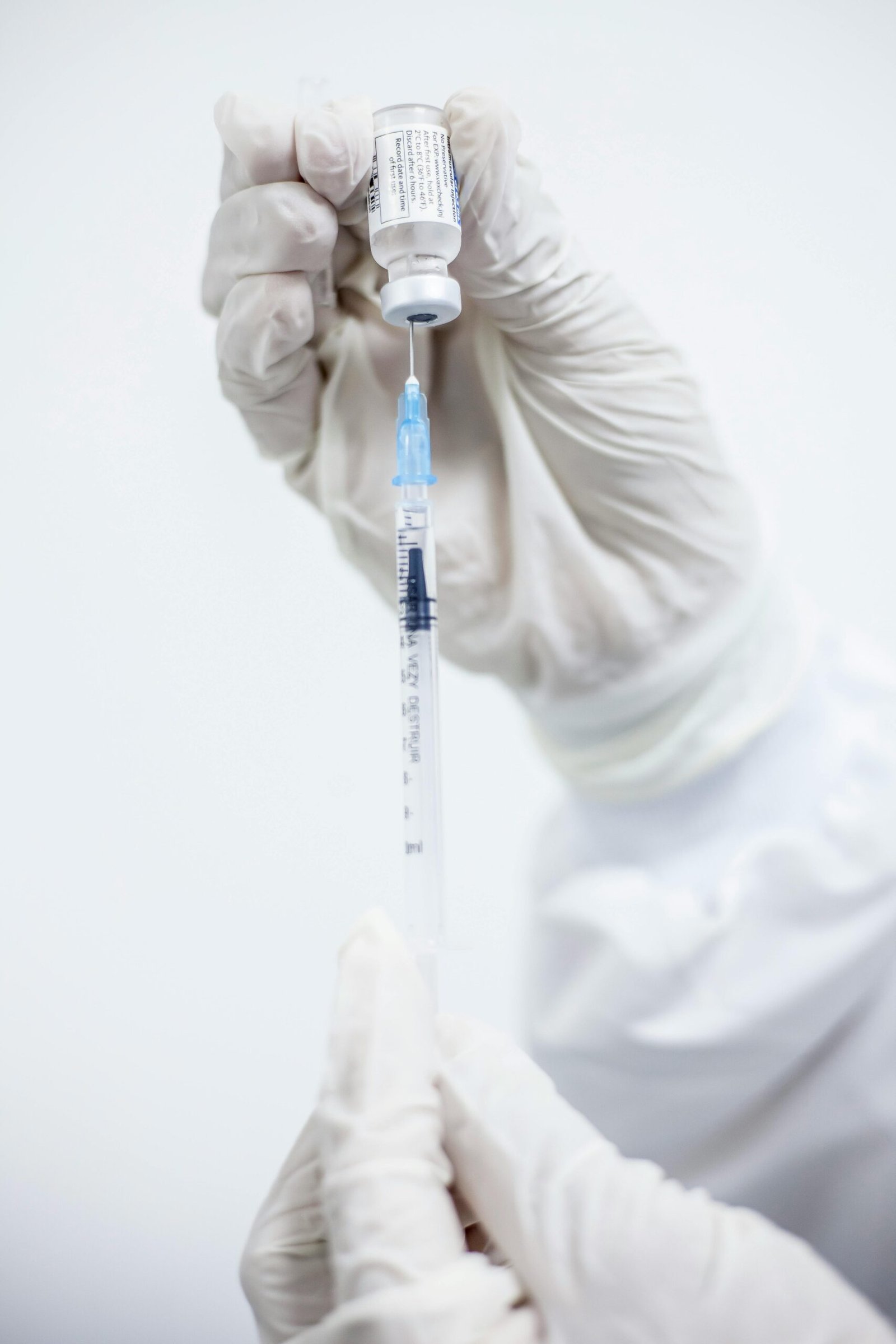
In late 2025 and early 2026, Health Canada stepped up its enforcement actions against suppliers of “unauthorized injectables.” These seizures occur when a product is sold in a format (such as a pre-filled syringe) that suggests human usage or makes health claims without first passing the federal safety evaluation process.
9. Can I import peptides into Canada from the US or Europe?
Prescription-tier peptides are typically prohibited from being imported for personal use at the border. If a peptide cargo is not accompanied by a valid Canadian prescription or a Research Import Permit, it may be seized by the Canada Border Services Agency (CBSA). Sourcing domestically through authorized medical channels is always safer.
10. How should peptides be stored?
The majority of peptides are extremely sensitive to light and temperature.
Lyophilized (Powder): Ideally stored in a refrigerator for extended periods of time, it should be kept in a cool, dark place.
Reconstituted (Liquid): To preserve potency, it must be refrigerated and utilized within 30 to 60 days.

Peptides in Canada: Quick Comparison Table
| Peptide Name | Primary Research Area | Canadian Legal Status (2026) |
| BPC-157 | Gut health & tendon repair | Prescription / Research Only |
| Semaglutide | Metabolic health / Weight loss | Health Canada Approved (DIN) |
| TB-500 | Muscle & wound healing | Prescription / Research Only |
| PT-141 | Sexual wellness | Prescription / Research Only |
| GHK-Cu | Skin rejuvenation | Cosmetic / Research |